How Difficult Is The Mount Raung Trek In East Java?
How difficult is the Mount Raung trek? For most hikers, the answer is very difficult—especially on the southern Kalibaru route to Puncak Sejati, the highest peak of Mount Raung. This challenging adventure in East Java combines a long hike through the forest, limited water supplies, exposed ridges, steep climbs, sections requiring ropes, unpredictable mountain weather, and the psychological challenge of walking along the edge of a steep ravine. This is no ordinary weekend hike, but rather an expedition for fit, experienced hikers equipped with adequate gear.
Instagram.com @zonapuncak
Mount Raung at a Glance
Mount Raung rises to a height of approximately 3,344 meters above sea level in the Ijen Mountains of East Java. This active volcano is famous for its vast dry caldera and steep ridges, giving it a wilder character than many of the more frequently climbed peaks in Java.
The most important thing to keep in mind when assessing how difficult is the Mount Raung trek is that the term “Mount Raung” can refer to different climbing destinations. The northern route from Sumberwringin in Bondowoso is generally considered a challenging climb, but it usually does not lead to the actual highest peak. The southern route from Kalibaru, which leads to Puncak Sejati, involves more technical terrain and is the route that has earned Mount Raung its reputation as one of the most difficult climbs in Java.
The Kalibaru expedition usually takes two to three days. Some itineraries offer a two-day, one-night climb, with about 11–13 hours of ascent and six to seven hours of descent. A more leisurely three-day itinerary allows for a better pace, acclimatization, and rest before the final push to the summit.
Why the Trek is So Difficult
Several challenges explain how difficult is the Mount Raung trek beyond its elevation alone.
A long and sustained ascent
The hike begins on lower, often damp terrain before entering dense forest. Rather than climbing directly up the open volcanic slope, hikers typically spend hours navigating tree roots, mud, narrow trails, and steep sections beneath the forest canopy.
This continuous hiking can be physically grueling; even strong hikers may feel exhausted before reaching the high-altitude campsite. Hiking for six to eight hours a day is common on organized trips, while the time required to reach the summit can be much longer.
If you’re wondering, “How difficult is the climb up Mount Raung?” the answer lies in this relentless forest hike: it’s an exhausting, multi-day endurance challenge that demands good physical fitness, a steady stride, and mental resilience.
No reliable water sources
Mount Raung is widely described as a “dry” mountain. Water sources may be nonexistent or unreliable along the route, so you must carry enough drinking water from base camp. Depending on your itinerary, the weather, individual hydration needs, and porter support, this may mean carrying several liters per person.
This extra weight makes the Mount Raung climb more challenging for hikers who are not used to carrying a backpack. How difficult is the Mount Raung trek depends on how you manage your load and your pace. Dehydration can quickly make you feel tired, feel dizzy, and make it hard to make good decisions.
Instagram.com @zonapuncak
Technical summit terrain
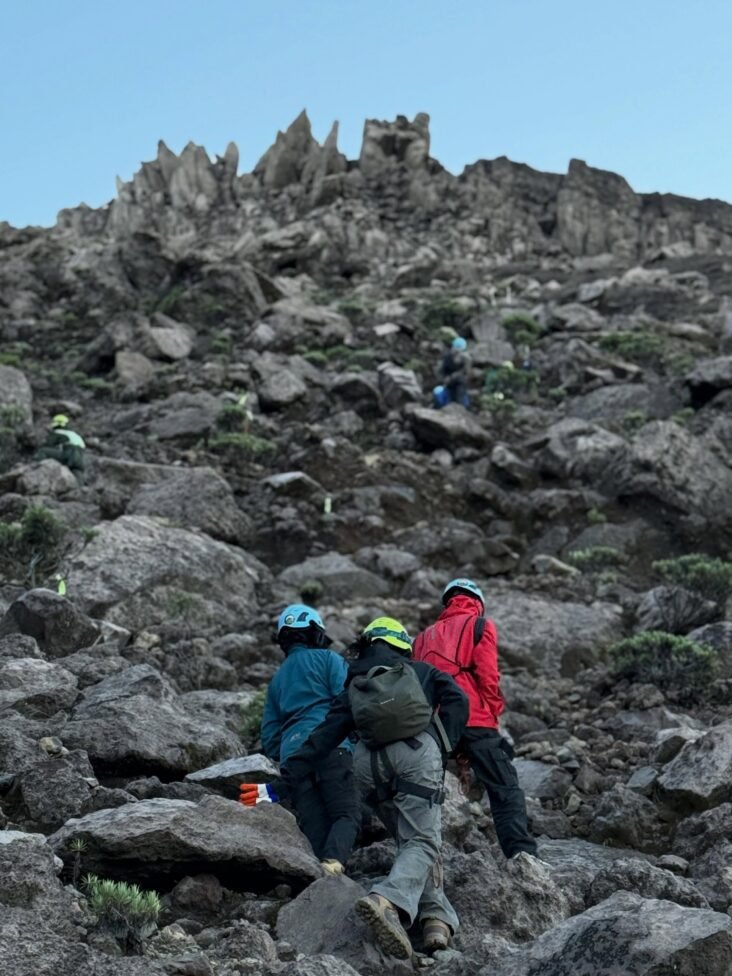
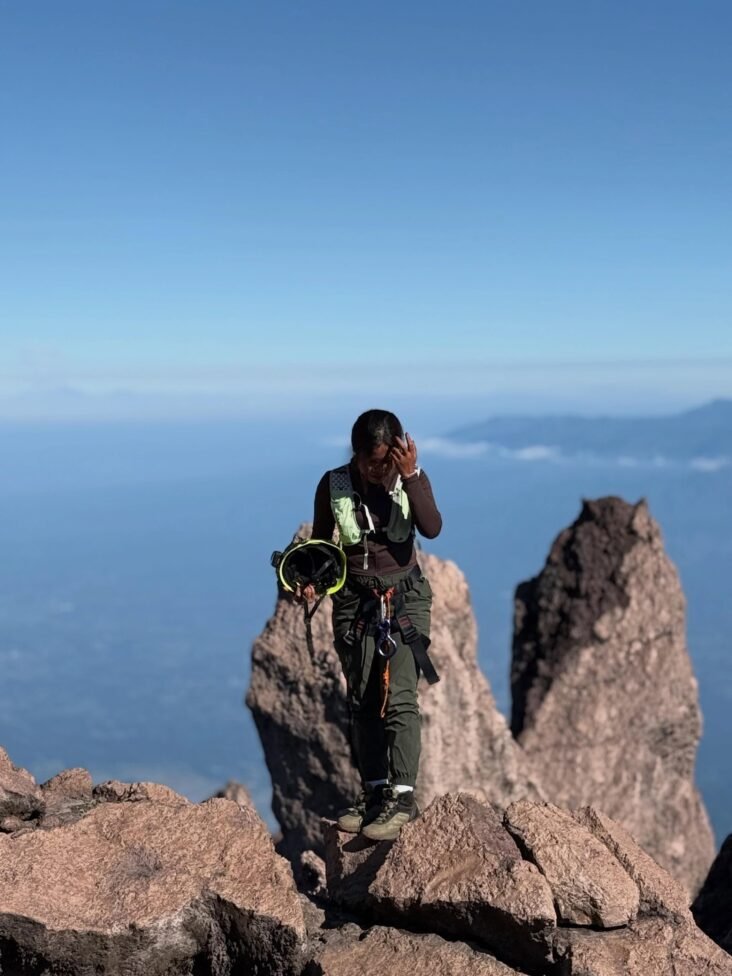
The final route to Puncak Sejati is not just a steep hiking trail. It involves climbing over rugged rocks and traversing exposed ridges. There are even some sections where hikers must use ropes, safety harnesses, carabiners, or other safety equipment under the guidance of an experienced guide.
The famous “Tusuk Gigi” section consists of sharp rock formations along the summit ridge. You may need to use your hands, maintain a three-point stance, and move carefully over uneven volcanic rock. This route can feel particularly daunting when strong winds, clouds, or rain reduce visibility.
Therefore, how difficult is the Mount Raung trek depends heavily on whether you plan to reach Puncak Sejati. Hikers who only want to reach a lower viewpoint or take an easier trail will face different challenges than those who cross the exposed ridge toward Puncak Sejati.
Exposure and narrow ridges
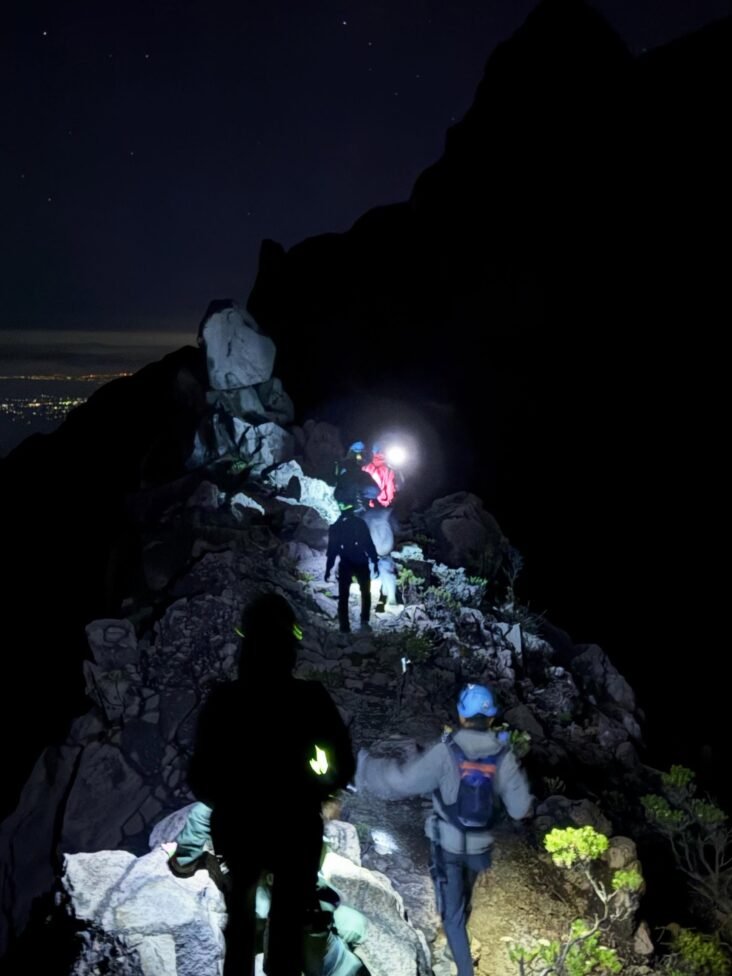
The mountain ridge at the summit is one of Mount Raung’s most distinctive features—and the main reason why many people ask how difficult is the Mount Raung trek. Some sections of the trail are narrow, with steep slopes on both sides. The climbing experience varies depending on trail conditions and the route chosen by the guide, but even fit hikers may find this mentally challenging.
If you’re afraid of heights, this section may feel more difficult for you than the hike through the forest. It’s important to stay calm and focused. Rushing, passing others, or getting too caught up in taking photos can cause you to slip. A safety rope system can be used in technically challenging areas.
Weather can change quickly
Mountain weather in East Java can change rapidly. Fog can roll in without clear warning, while rain makes the ground and rocks slippery. Strong winds are particularly dangerous on exposed mountain ridges, and thunderstorms pose an additional risk in open, high-altitude terrain.
The dry season is generally preferred because hiking trails are more stable and visibility tends to be better. However, choosing to hike during the dry season does not guarantee safe conditions. Before setting out, you should check the latest weather forecasts, trail reports, updates on volcanic activity, and official hiking restrictions.
Understanding how difficult is the Mount Raung trek helps you prepare for steep, uneven paths and rapidly shifting conditions. Many trekkers ask how difficult is the Mount Raung trek because success depends on fitness, proper gear, and respect for the mountain’s unpredictable environment.
Equipment and Safety Essentials
The required gear helps illustrate just how difficult is the Mount Raung trek in practice. Essential gear includes sturdy hiking boots with reliable traction; a helmet, harness, carabiners, and safety ropes for technical sections; a headlamp with spare batteries; warm layered clothing, waterproof outerwear, gloves, and dry clothes; a sleeping bag, tent, and a well-fitting backpack; an adequate supply of water and high-energy food; a first-aid kit, personal medications, sunscreen, and basic emergency gear; plus navigation and communication equipment managed by the guide or climbing team.
Instagram.com @zonapuncak
Don’t try to climb mountains alone. Local guides and experienced porters know the area, including the terrain, weather, camp locations, and water logistics. They can also tell you when it’s safe to go and when it’s not. How difficult is the Mount Raung trek depends on the route you take, the weather, and how easy it is to get there. It’s important to have a guide.
Mount Raung is an active volcano, so you need to confirm the climbing status before you leave. Also, restrictions may change due to eruptions, seismic activity, wildfires, accidents, or other hazards. So, before you plan your trip, check the latest news with the local authorities or a registered local operator. This will help you understand how difficult the Mount Raung hike is. When planning, ask specifically: How difficult is the Mount Raung trek now, and which sections are still open?
Prepare Conquer and Stay Safe on Mount Raung
Climbing Mount Raung demands respect, preparation, and experience. If you’re wondering how difficult is the Mount Raung trek, keep in mind: this is one of the toughest climbs in Java, featuring long ascents, limited water supplies, challenging ridges, and rapidly changing weather. Only attempt this climb with adequate gear, a certified guide, and excellent physical condition.
Instagram.com @zonapuncak