Reopening Of Ijen Crater Nature Park: News On September 2026
The reopening of Ijen Crater Nature Park is scheduled for 28 September 2026, giving you another opportunity to experience one of East Java’s most remarkable volcanic destinations. The reopening follows a temporary closure caused by a forest fire and a subsequent evaluation of safety conditions along the hiking route.
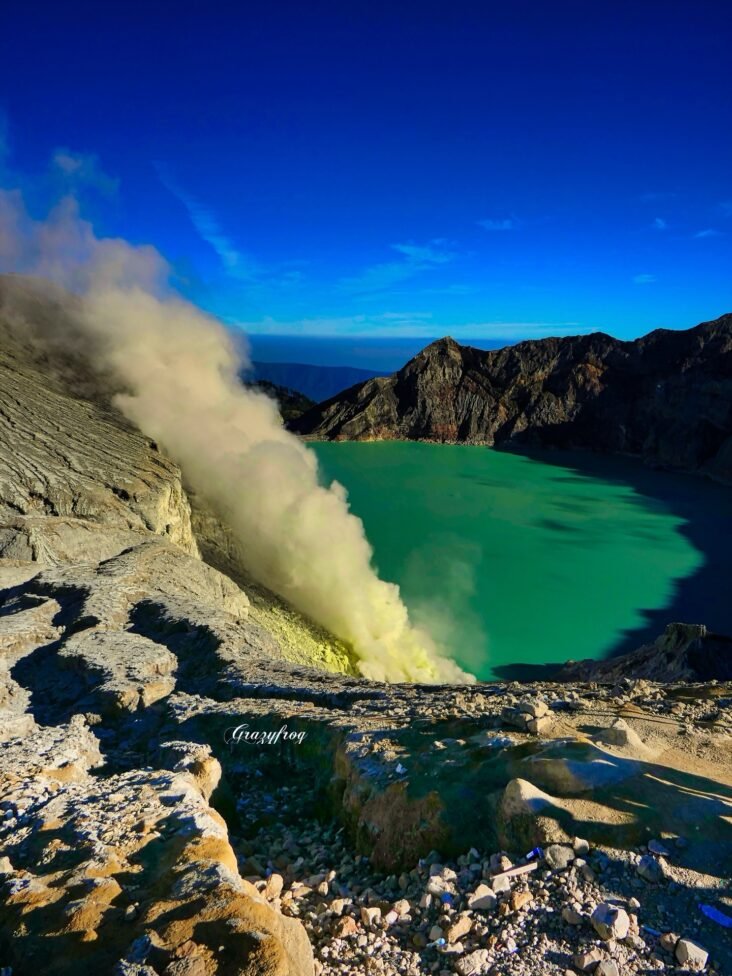
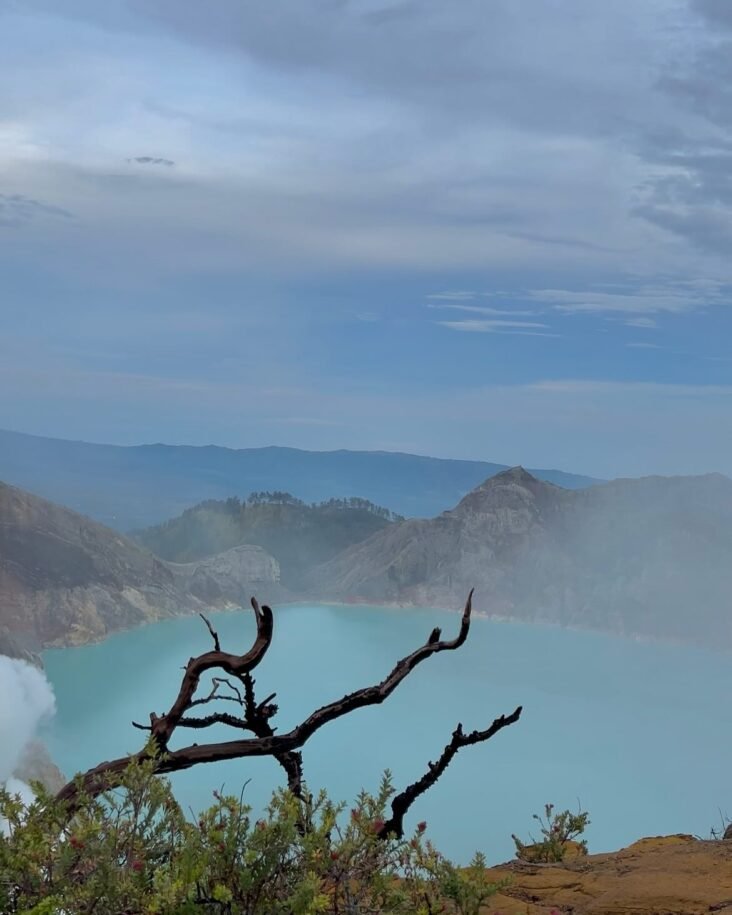
Located between Banyuwangi and Bondowoso, Ijen Crater is famous for its turquoise volcanic lake, dramatic mountain scenery, sulfur-mining heritage, and the rare blue flames visible before sunrise. With the reopening of Ijen Crater Nature Park, you can once again plan nature trips, hiking adventures, educational visits, and research activities in the protected area.
Instagram.com @grazyfrog5
Why Was Ijen Crater Closed?
The park was temporary closed from 4 September 2026 after a forest and land fire affected parts of the conservation area. Although emergency firefighting efforts brought the blaze under control, authorities did not immediately allow visitors to return. The closure was necessary to support emergency management, assess environmental conditions, and ensure that the hiking route was safe.
Wildfire in mountainous regions can create several hazards even after visible flames disappear. Fallen branches, unstable soil, smoke, damaged vegetation, and the possibility of renewed fire activity may endanger hikers. For this reason, the reopening of Ijen Crater Nature Park was announced only after the East Java Natural Resources Conservation Agency, known as BBKSDA Jawa Timur, completed an evaluation of the route and surrounding area.
The official announcement was issued on 24 September 2026 through document number PG.2398/K.2/BIDTEK/KSA.04.01/B/9/2026. It confirmed that the area would reopen to the public for nature tourism, hiking, research, and education from 28 September 2026.
The Date and Activities on Reopening of Ijen Crater Nature Park
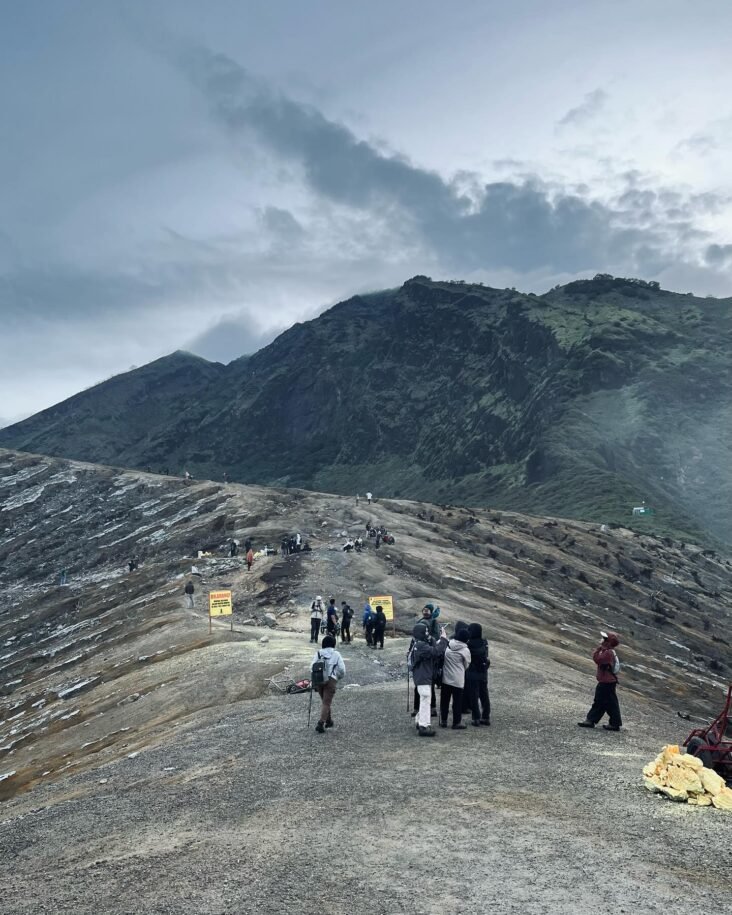
The reopening of Ijen Crater Nature Park will begin on Monday, 28 September 2026. This means you may again access the destination for several approved activities, including:
- Nature tourism and sightseeing;
- Hiking along the designated route;
- Educational visits;
- Scientific research and conservation-related activities.
Instagram.com @nandafadilahidayat
The reopening is also important for people living around the Ijen area. Tourism supports local guides, transportation providers, food vendors, accommodation businesses, sulfur-mining communities, and other service providers. Authorities stated that reopening the site would help encourage public education and create a positive economic effect for communities around the conservation area.
However, reopening does not mean that visitors can ignore park regulations. You must follow official instructions, remain on approved routes, and comply with any temporary restrictions introduced by field officers.
How to Prepare for Your Visit
Anyone planning to visit after the reopening of Ijen Crater Nature Park should make preparations before having a journey. The most important requirement is completing the visitor reservation process through the official Ayo Ke Taman Nasional website. According to the latest reports, online ticket reservations opened on 25 September 2026 at 3:00 p.m. while the visitor quota for the first day was set at 1,000 people.
Because demand may be high after several weeks of closure, you should avoid waiting until arrival to arrange admission. Check the official booking system, confirm the available date, and save your ticket or booking confirmation on your phone. It is also sensible to verify the latest regulations shortly before departure because visitor quotas and operating procedures can change.
Furthermore, you should prepare suitable hiking equipment, including:
- Drinking water and light snacks;
- A warm jacket and layered clothing;
- Comfortable hiking shoes with good grip;
- A headlamp or flashlight for early-morning trekking;
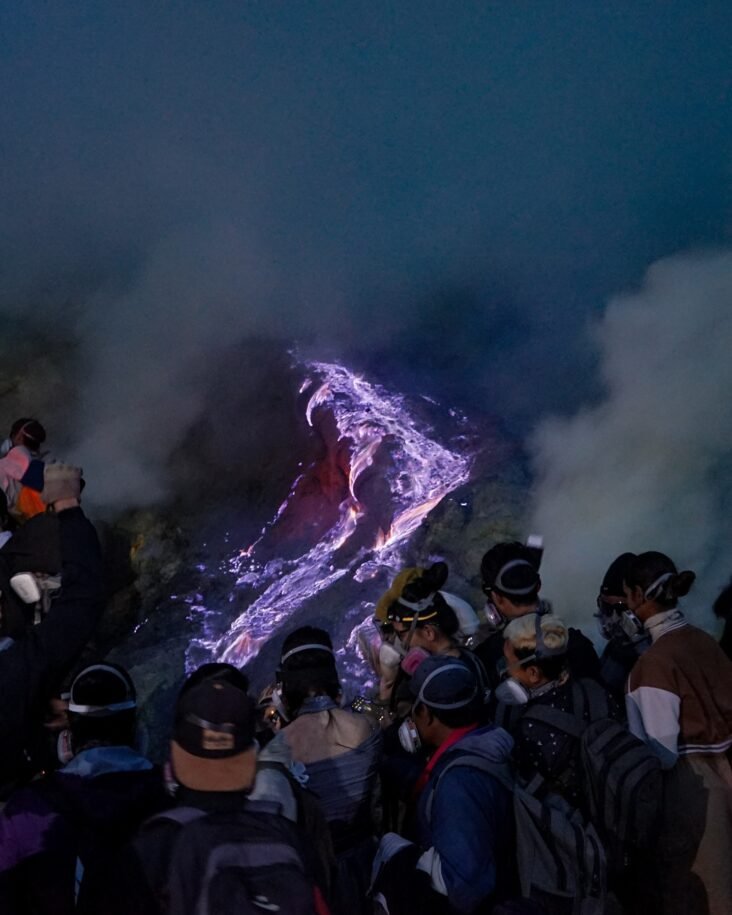
- A mask or other protection when exposed to volcanic gases or dust;
- A rain jacket during periods of unstable weather;
- Personal medication and basic first-aid supplies.
The Ijen route is steep in several sections, and the cold mountain air can feel intense before sunrise. Therefore, you should begin the hike at a comfortable pace, stay with their group, and take breaks when necessary.
Instagram.com @kawahijenindonesia
Safety Rules for Hikers
The reopening of Ijen Crater Nature Park comes with a clear reminder that safety and conservation must remain priorities. The official notice requires you to follow the applicable Standard Operating Procedures, including rules concerning basic hiking equipment and personal protection. Recommended equipment includes warm clothing, masks, and appropriate footwear.
Moreover, you should never leave the marked trail or enter restricted areas. Volcanic landscapes can appear stable while containing loose rock, sharp terrain, or hazardous gas concentrations. Approaching the crater lake or sulfur vents without authorization can be dangerous.
You should also avoid actions that could trigger another fire. Do not throw cigarette ends, light fires, or bring flammable materials into the forest. You should carry all waste back out of the park and avoid disturbing plants, wildlife, sulfur-mining equipment, or local workers.
The reopening of Ijen Crater Nature Park should be treated as a shared responsibility. Visitors enjoy the landscape, while local authorities and communities work to protect it. Thus, responsible behavior helps prevent additional environmental damage and supports the destination’s long-term availability.
Best Experience at Ijen
Many travelers visit Ijen during the night to reach the viewpoint before sunrise. This schedule offers the chance to see changing colors across the volcanic lake and surrounding peaks. In some conditions, visitors may also observe blue flames near sulfur vents, although this experience depends on safety instructions, volcanic conditions, and official access restrictions.
The crater is not only a photographic destination. It is also a place where you can learn about volcanic geology, conservation, sulfur mining, and the relationship between tourism and local livelihoods. Hiring a licensed local guide can make the trip more informative and provide additional support during the hike.
Travelers arriving through Banyuwangi can combine an Ijen trip with other destinations in East Java. Meanwhile, visitors approaching from Bondowoso can explore the highland scenery and rural communities surrounding the mountain. Allow enough time for transportation, rest, and changing weather conditions rather than planning an overly tight itinerary.
Instagram.com @nandafadilahidayat
Let’s Travel Responsibly
The reopening of Ijen Crater Nature Parkis welcome news for adventure travelers, but the destination remains a sensitive natural area. Conditions can change quickly, and authorities may adjust access if new hazards develop. You should check official updates before departure and follow instructions from conservation officers at all times.
For anyone planning an East Java adventure, the reopening of Ijen Crater Nature Park provides a timely reason to revisit this extraordinary volcanic destination. However, you should confirm tickets, safety requirements, and current operating information before setting out. Ultimately, the reopening of Ijen Crater Nature Park marks not only the return of tourism but also a renewed commitment to conservation, safety, and sustainable travel.